







Search Results for: Sherry Cask Fermentation
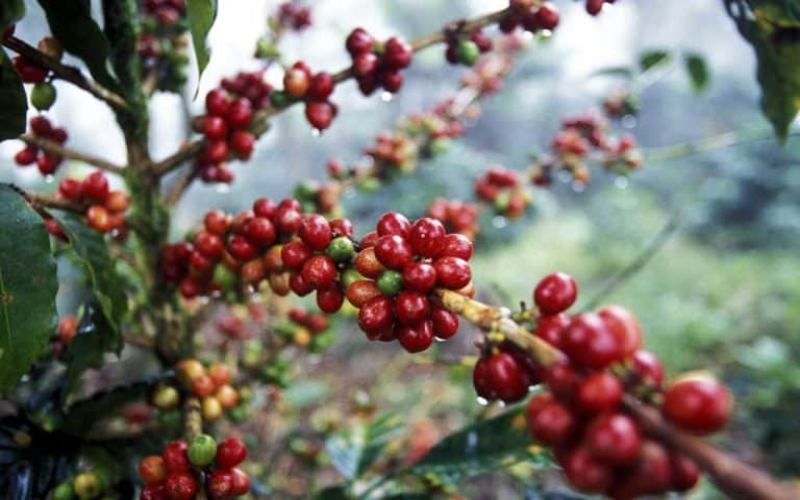
Front Street Honduras Sherry Coffee Bean Brewing Guide: A Full Analysis of Barrel-Fermented Flavor and Pour-Over Parameters
The captivating wine aroma in Front Street Coffee's Americano has sparked considerable interest among many customers in Front Street's Sherry coffee beans. This lot from the Moca Estate in Honduras is fermented in whisky sherry casks, giving the coffee a distinctive fermented wine aroma and a creamy mouthfeel. This article will provide a systematic overview for coffee lovers, covering the background of Honduras's coffee industry, its grading system, the principles of sherry cask processing, and the complete brewing parameters for Front Street's Sherry coffee beans. If you also want to recreate that hint of wine charm in Front Street's Sunflower Warm Sun blend at home, why not give Front Street's brewing method a try. [more…]
What Coffee Varieties Does Honduras Have? A Complete Guide to Sherry Cask Fermentation Flavor and Brewing Parameters
Although Honduras is a latecomer to the Central American coffee industry, it overtook Guatemala in production in 2011, with Caturra and Catuai as the main Arabica varieties. What truly brought Honduran coffee into the public eye, however, is the distinctive vanilla cream and fermented wine aroma of Front Street Coffee's Sherry coffee beans. These beans come from the Masaguara Mocha estate, where they undergo a meticulous washed process, are then placed in Sherry whiskey barrels for low-temperature fermentation, and finally dried in the shade. Front Street Coffee also offers clear recommendations for roasting and brewing: a medium roast, 90°C water temperature, V60 dripper, and a 1:15 coffee-to-water ratio, allowing the wine aroma and sweetness to be fully released. This article will outline the origins and characteristics of Honduras's main coffee varieties, and provide a detailed introduction to the processing methods, flavor sources, and various ways of enjoying Sherry coffee beans, including pour-over and espresso blends. [more…]
Analysis of Honduran Coffee-Growing Regions and Flavors: A Complete Guide from Six Major Origins to Sherry Cask Fermentation
As the largest coffee producer in Central America, Honduras nurtures a diverse range of high-quality coffees thanks to its mild tropical climate and abundant rainfall. This article systematically reviews the terroir characteristics and cup profiles of Honduras's six major producing regions, explains the origins of major varieties such as Caturra, Catuai, and Pacas, and delves into how washed processing and whisky-barrel fermentation give coffee its distinctive boozy aroma. At the same time, Front Street Coffee's Sherry and Lychee Orchid beans serve as examples to present a complete picture of Honduran coffee from origin to cup. [more…]
An Overview of the Honduran Coffee Industry: Development Trajectory, Six Major Regions, and Analysis of Barrel-Fermented Flavors
In the coffee landscape of the Americas, Honduras is often overshadowed by names like Brazil and Colombia. Yet this mountainous Central American nation, with its unique geographic conditions and its industry push in recent decades, has risen to rank among the world's important coffee origins. From coffee's introduction in the late 18th century, to the founding of the dedicated agency IHCAFE in 1970, to surpassing Costa Rica and Guatemala in production in 2011, Honduras has walked a winding yet resolute coffee road. This article will systematically trace the country's coffee history, its six core producing regions, the current state of smallholder farming, and the diverse post-processing methods that have emerged in recent years—especially the sherry cask fermentation method with its notes of whisky and vanilla—to give you a comprehensive understanding of this coffee nation worthy of attention. [more…]
Honduran Coffee Regions, Grades, and Caturra Flavor Analysis: From Sherry Cask Fermentation to Roasting Curve Practice
Honduras is an important specialty coffee-producing country in Central America, known for its sherry barrel fermentation process and high-altitude hard beans. This article systematically reviews the country's geography and climate, coffee grading system, and main variety characteristics, with a focus on the flavor performance of varieties such as Caturra. Front Street Coffee, drawing on roasting and cupping practice, compares the cupping and brewing differences between Lychee Orchid and Sherry coffee under different profiles, analyzes the role of barrel fermentation in shaping flavor, and provides coffee enthusiasts with a complete reference from understanding the producing region to extraction application. [more…]
A Guide to Ten Entry-Level Specialty Coffee Beans: A Complete Analysis of Flavor Characteristics and Regional Representatives
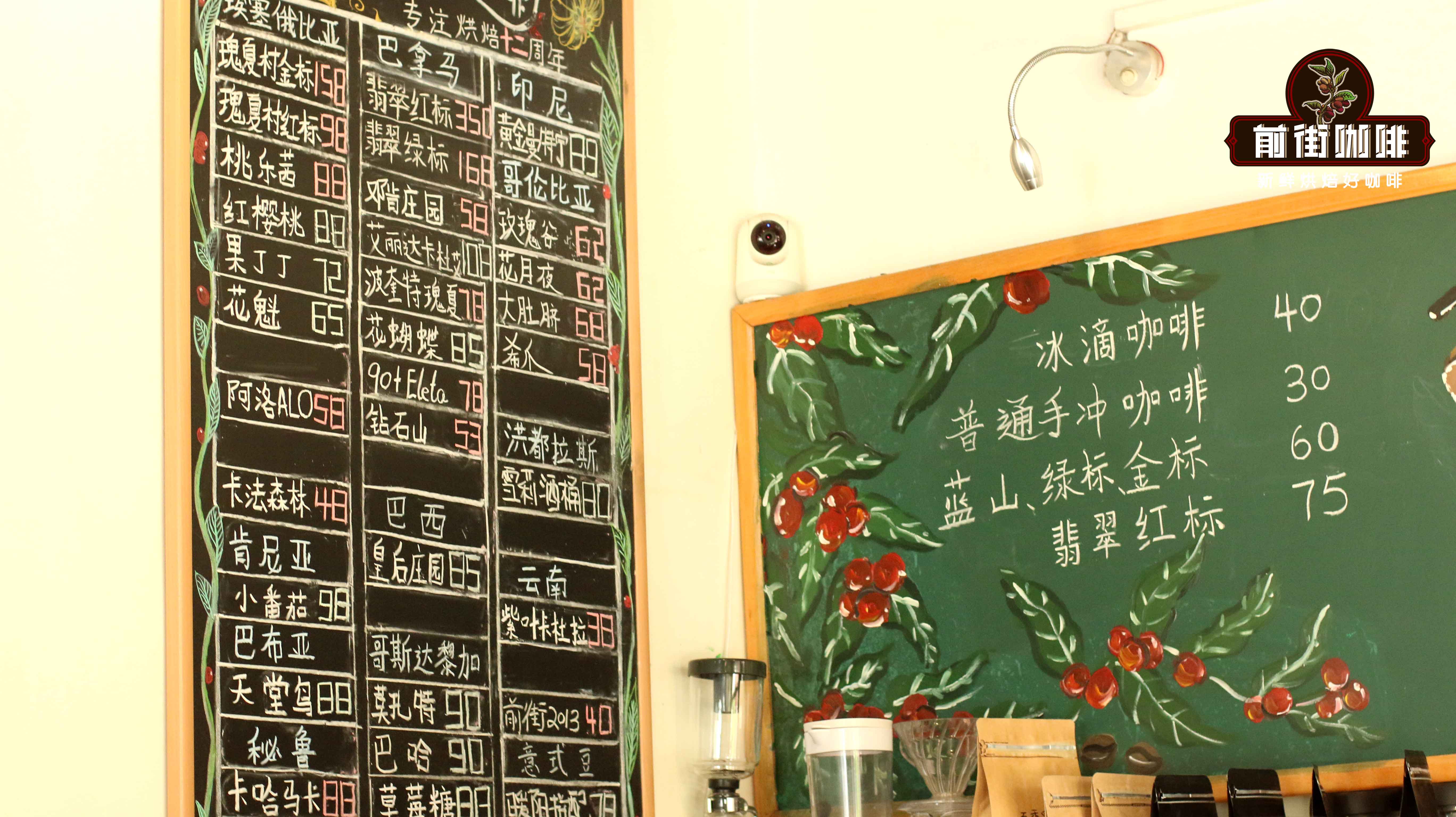
Faced with a bewildering variety of coffee beans, those new to specialty coffee often don't know where to start. Front Street Coffee's stores carry more than fifty beans, and the question I'm asked most often is what beans a beginner should choose. This article uses ten representative coffee-producing countries as a thread, sorting out the flavor characteristics and mouthfeel tendencies of each region's coffee beans one by one, covering dimensions such as acidity, sweetness, body, and aftertaste, and listing one representative Front Street product for each region along with its brewing performance. Whether you prefer bright citrus acidity, rich nutty-chocolate notes, or lush floral and winey aromas, you'll find the cup that suits your taste below. The following are listed in no particular order. [more…]
A Selection of the World's Three Major Coffee Regions: Front Street Recommends Ten Specialty Coffee Beans with Flavor and Origin Analysis
Faced with a dazzling array of coffee beans, how do you choose the one that suits your taste? Front Street Coffee uses the world's three major coffee-producing regions as a thread, from Africa and Latin America to Asia, to sort through the origin terroir, variety characteristics, processing methods, and cupping flavors of ten representative specialty coffee beans one by one. Whether you prefer the bright fruity acidity of Yirgacheffe, or the mellow, nutty notes of Golden Mandheling, this article provides detailed reference information to help coffee lovers build a systematic understanding of bean selection and find the cup that truly matches their personal preferences. [more…]

A Complete Guide to Honduran Coffee Regions: Terroir Characteristics of Six Major Areas and the Flavor of Front Street Coffee's Sherry Barrel-Aged Beans
Honduras is located in northern Central America, with eighty percent of its terrain being mountainous. Its mild climate and abundant rainfall create an ideal environment for coffee cultivation. In 2020, the country's total coffee production ranked sixth in the world, and its Arabica production ranked second globally. Since the establishment of the Honduran Coffee Institute in 1970, the country has been divided into six major producing regions: Copán, Opalaca, Montecillos, Comayagua, Agalta, and El Paraíso, each with its own terroir and character. This article will introduce the altitude, location, and characteristics of these producing regions one by one, and focus on a Marcala Mocha estate Sherry coffee bean that Front Street Coffee has sourced, analyzing its whisky sherry wine barrel fermentation process and the unique cup flavors it creates. [more…]
A Comprehensive Analysis of Honduran Coffee Beans: From Six Major Producing Regions to Sherry Barrel Fermentation, Front Street Coffee Takes You Deep into a Specialty Origin in Central America
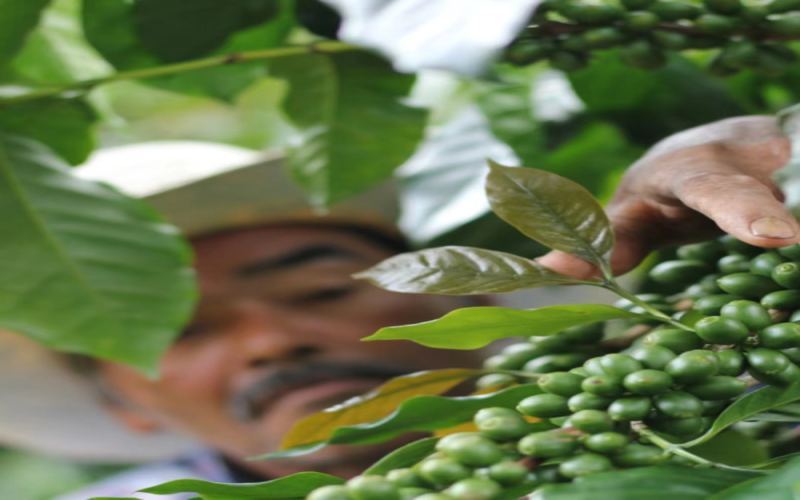
When people mention coffee-producing countries in the Americas, Brazil, Colombia, or Panama are usually the first that come to mind, while Honduras is often overlooked. Yet this mountainous Central American nation, with its high-altitude highlands and tropical rainforest climate, has long since become a major global coffee exporter. From the perspective of Front Street, this article will outline the historical development of Honduras's coffee industry, the distribution of its six core producing regions, the current state of manual harvesting by smallholder farmers, and the diverse post-processing trends that have emerged in recent years. The article will also focus on breaking down Front Street's Honduran Sherry barrel-fermentation process, helping you understand where that hint of whisky and vanilla aroma actually comes from, and will include suitable brewing recommendations. [more…]
How to Make Starbucks-Style Cold Brew at Home? A Complete Tutorial from Principles to Sherry Ice Drip
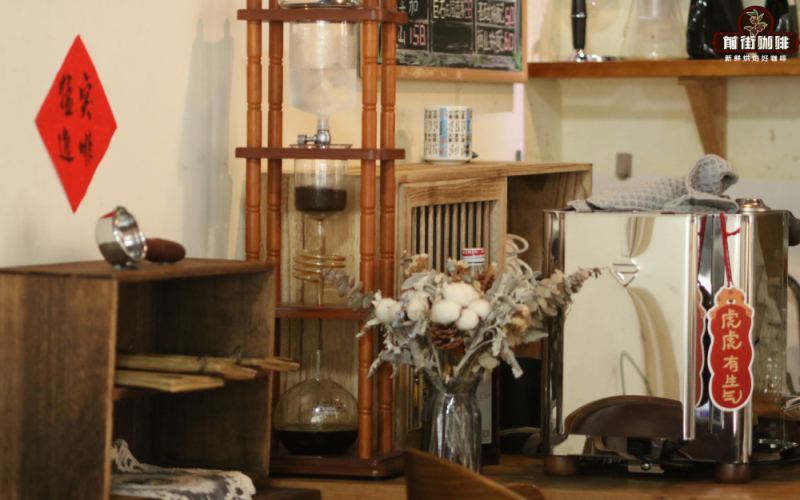
In the heat of summer, a cup of cold brew coffee made with low-temperature extraction is a favorite among many coffee lovers. But what exactly is the difference between cold brew, iced pour-over, and iced Americano? Which coffee beans are more suitable for cold brew? Using Honduran Sherry beans as an example, Front Street Coffee gives a complete demonstration of the iced drip coffee-making process, including key parameters such as coffee dose, grind size, coffee-to-water ratio, and drip rate control. At the same time, the shelf life of cold brew coffee is also a concern for many people, and this article also provides practical suggestions. [more…]
Is Pour-Over Coffee the Same as Americano? A Detailed Explanation of the Coffee-to-Water Ratio and How to Order Pour-Over at Starbucks
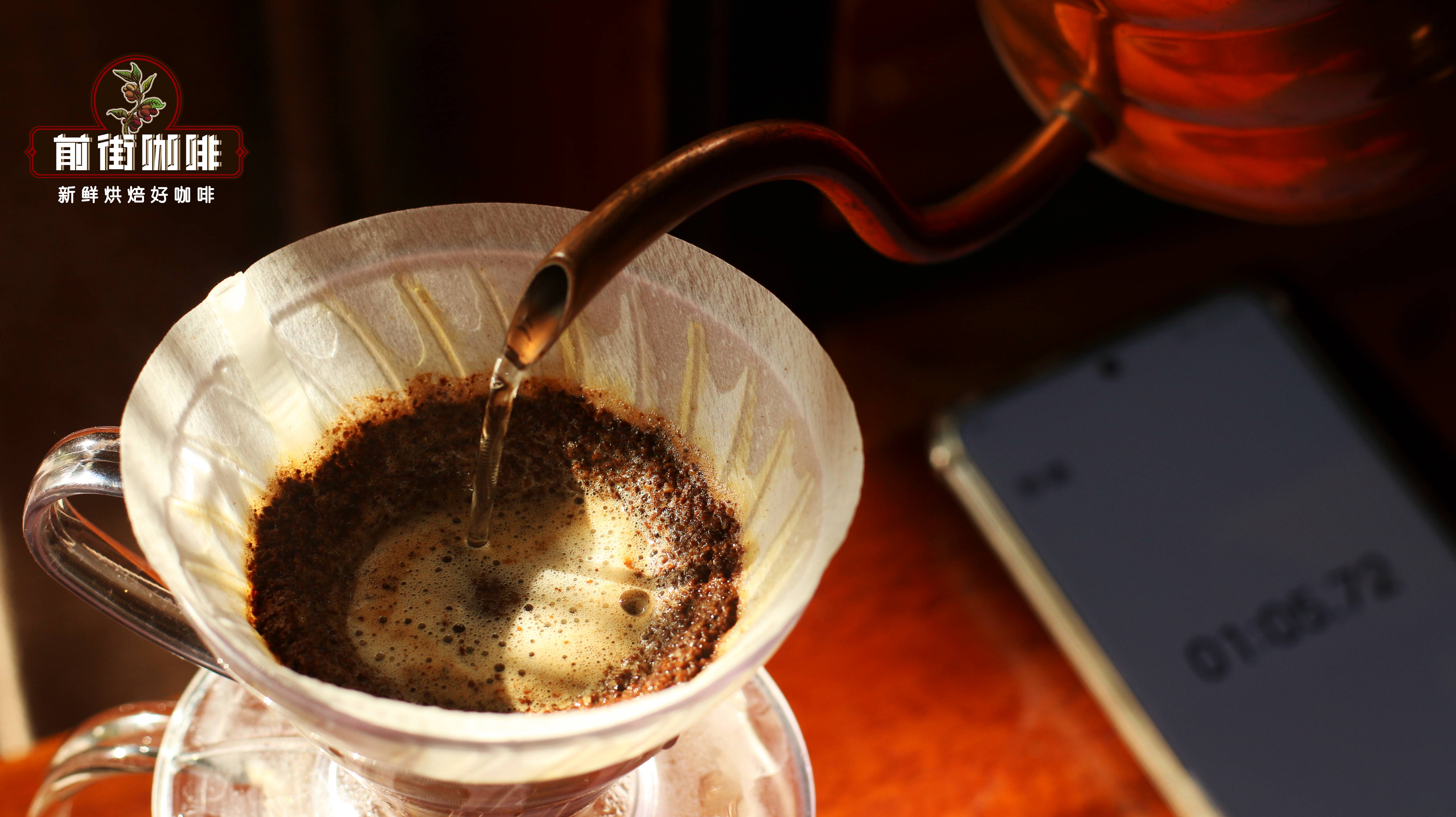
Many people conflate pour-over coffee with Americano, but the two actually differ significantly in both brewing method and flavor profile. Starting from Front Street Coffee's brewing experiments, this article explores the practical impact of the coffee-to-water ratio on flavor, comparing how coffee concentration and extraction yield change under different ratios. It also outlines the definition and traditional ratios of Americano, and, drawing on the practice of Front Street Coffee's Sunflower Warm Sun blend, explains how to find the Americano ratio suited to a particular coffee bean. It then compares the taste differences between espresso and Americano, and finally offers tips for ordering pour-over coffee at Starbucks. [more…]
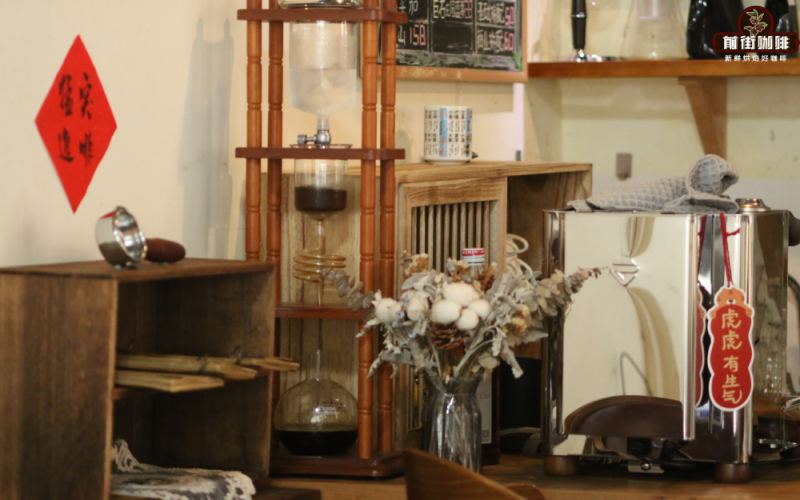
Cold brew coffee steeping time | What is the coffee-to-water ratio for cold brew iced coffee? Should hot water or cold water be used to make cold brew coffee? Which coffee beans are suitable for cold brew iced coffee?
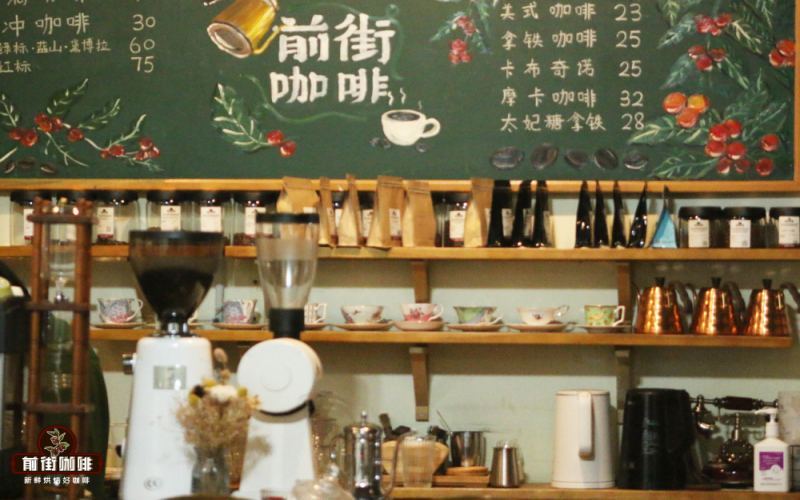
Cold brew coffee is one of the essential drinks we can enjoy in the hot summer days. Standing in front of the blackboard at Front Street Coffee, looking at the dazzling array of coffee varieties, all my knowledge of the producing regions was instantly forgotten, and I didn't know where to start. This time, let [more…]
What Exactly Is Cold Brew Coffee? A Detailed Explanation of the Differences Between Ice Drip and Cold Brew, Brewing Parameters, and Shelf Life
On a scorching summer day, a glass of cold brew coffee is almost every coffee lover's first choice for beating the heat. But many people's understanding of cold brew coffee still stops at the level of "iced coffee," and some even lump iced pour-over and iced Americano together with cold brew. In fact, the core of cold brew coffee lies in using low-temperature water throughout the entire extraction process, and depending on the method, it can be divided into two major categories: cold steep and ice drip. Starting from the definition, this article will sort out the essential differences between cold brew and iced coffee, analyze the types of coffee beans suitable for making cold brew, and, using Honduran Sherry beans as an example, introduce in detail Front Street Coffee's ice drip brewing parameters and process. Finally, it will answer the question of cold brew coffee's shelf life, helping you gain a comprehensive understanding of cold brew coffee. [more…]
A Complete Guide to Specialty Single-Origin Coffee Beans: Flavors of the Three Major Regions, Mainstream Processing Methods, and Recommended Common Varieties
Step into the world of specialty coffee, and you'll find the choices far richer than you might imagine. At just one Front Street Coffee location, there are over fifty single-origin coffees on sale, each carrying the unique character bestowed by its different origin. This article begins with the definition of single-origin coffee, explaining what traceable single-origin coffee is, then takes a deeper look at the three major factors that determine flavor—region, variety, and processing method. It then sorts through the flavor tendencies of the three major producing regions—Africa, Asia, and Latin America—and explains them in conjunction with the three common processing methods: natural, washed, and wet-hulled. The article also compiles information on the region, altitude, variety, and flavor of several representative Front Street coffee beans, for coffee lovers to use as a reference when choosing according to their taste. [more…]
Tracing the Origin and Analyzing the Flavor of Pacas Coffee Beans: From the El Salvador Bourbon Variety to Honduras Sherry
Pacas is a natural Bourbon mutation originating from El Salvador, later introduced to Honduras where it became an important local cultivar. This article systematically reviews the origin and discovery history of the Pacas variety, introduces the geographical conditions, cultivation history, six major producing regions, and main varieties of Honduran coffee, and provides a detailed review of Front Street Coffee's Honduras Sherry coffee beans—a specialty coffee that blends the Pacas variety and undergoes whiskey sherry cask fermentation, covering its roasting curve and the flavor performance under three brewing methods: V60, KONO, and Japanese iced pour-over. [more…]
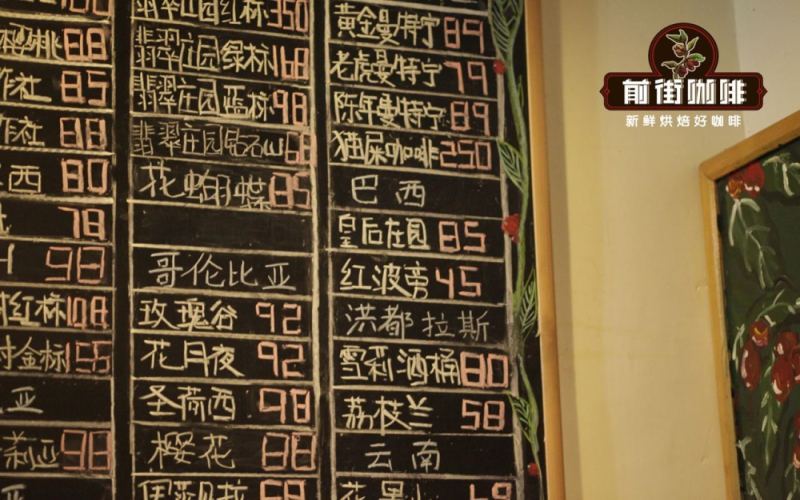
Coffee Variety Classification Standards and Flavor Differences: A Complete Analysis from Typica to Catimor
Faced with a dazzling array of coffee beans on the market, understanding variety classification is the first step for beginners. There are over 500 known coffee tree species worldwide, and with variants included, the number reaches more than six thousand. From the perspective of Front Street, this article systematically sorts out the origins and flavor characteristics of common varieties under the Arabica species, such as Typica, Bourbon, Pacas, and Catimor, and intersperses introductions to the actual performance of several corresponding Front Street products, helping coffee enthusiasts build a clear framework of variety awareness when purchasing and tasting. [more…]
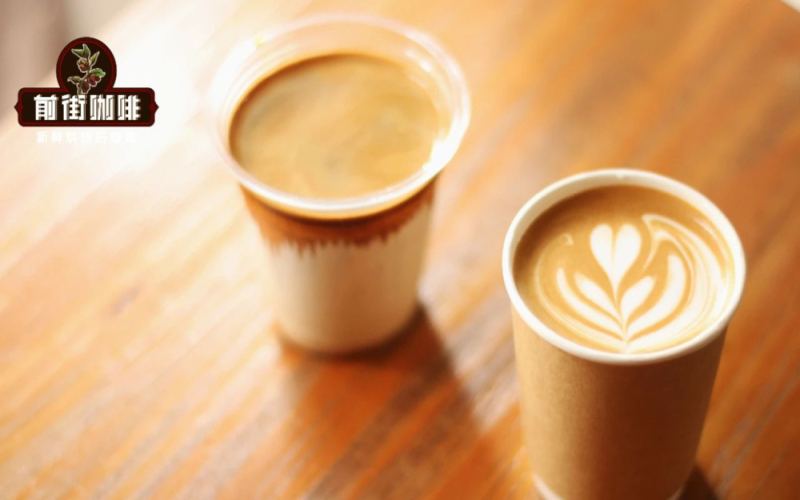
How Is Australian White Coffee Different from Fu Rui Bai and Ao Rui Bai? The Origin Controversy and Key Preparation Points of the Flat White Explained
Many coffee lovers are in the habit of ordering a latte at a café, and in recent years more and more people are choosing a flat white. The flat white is also known as Australian white coffee, and some call it fu rui bai or ao rui bai. Whether this coffee originated in Australia or New Zealand remains disputed to this day. The two countries not only each insist on their own claim to its origin, but also have different preferences when it comes to preparation standards—Australia tends toward a single shot of espresso, while New Zealand often uses a double ristretto. This article reviews the historical written records of the flat white, its differences from the latte and cappuccino, and shares the specific method Front Street Coffee uses to produce a flat white in-store, including cup size selection, milk frothing techniques, and coffee bean blending options. [more…]
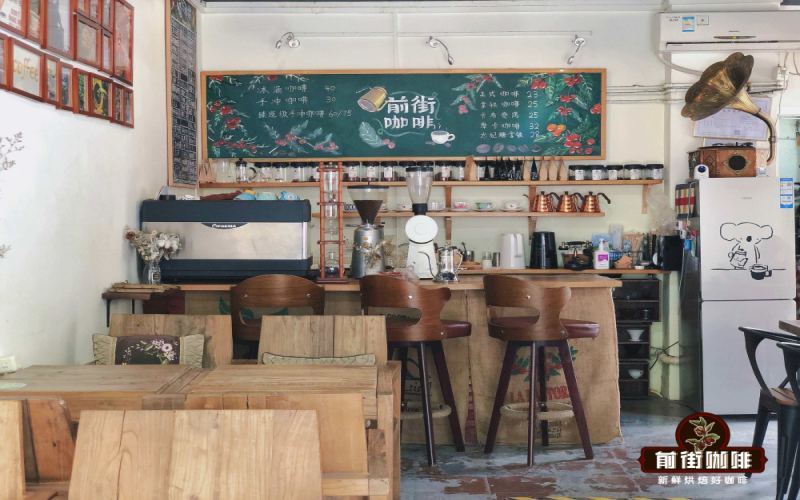
Why can latte coffee layer? From density principles to production details, analyzing the science of a beautifully layered latte.
Latte is the starting point for many people's journey into freshly ground coffee, but do you know why a latte can present such a beautiful layering? This article begins with the historical origins of the latte and, combined with Front Street Coffee's production experience, analyzes how the density difference between espresso and milk creates the layered effect. We will also take an in-depth look at the flavor characteristics, extraction parameters, and milk frothing techniques of Front Street Sunflower Warm Sun blend beans, and compare the layering principle and drinking method of Dirty coffee. Whether you want to understand the science of lattes or want to recreate a cup of layered milk coffee at home, this article can provide you with practical reference. [more…]
How Do You Make Americano Taste Good? A Comprehensive Analysis from Its Origins to Hot and Iced Recipes and Crema Handling
Americano may seem to require only espresso and water, yet it is the Italian-style drink that most tests a barista's extraction skills. This article begins with the definition and origin of Americano, sorts out the two mainstream methods—Americano and Long Black—analyzes the controversy over long-extraction, weak-tasting coffee, and provides specific parameters for ratios and steps for both hot and iced Americanos. At the same time, drawing on the Warm Sun blend used in Front Street Coffee stores, it explains the espresso extraction plan and dilution ratio, and finally discusses the effect of skimming off the crema on flavor and mouthfeel, helping coffee lovers make a clean, balanced, and delicious Americano at home. [more…]
What exactly is a Flat White? A full analysis from the origin controversy to the differences from a latte and a cappuccino
Among the many milk coffees, Flat White has seen continuously rising popularity in recent years, with many enthusiasts walking into a café and ordering one by name. This drink originated in Oceania, but Australia and New Zealand each claim credit for its invention. Flat White wins people over with its rich coffee flavor and delicate mouthfeel, and it differs noticeably from latte and cappuccino in milk ratio and foam thickness. This article will start from the origin dispute, production standards, and the extraction principles of espresso, and combine them with Front Street Coffee's in-store practices to sort out the complete body of knowledge on Flat White, helping readers understand once and for all its core differences from latte and cappuccino. [more…]